

Sunday
Jun232024

The photographic explosion

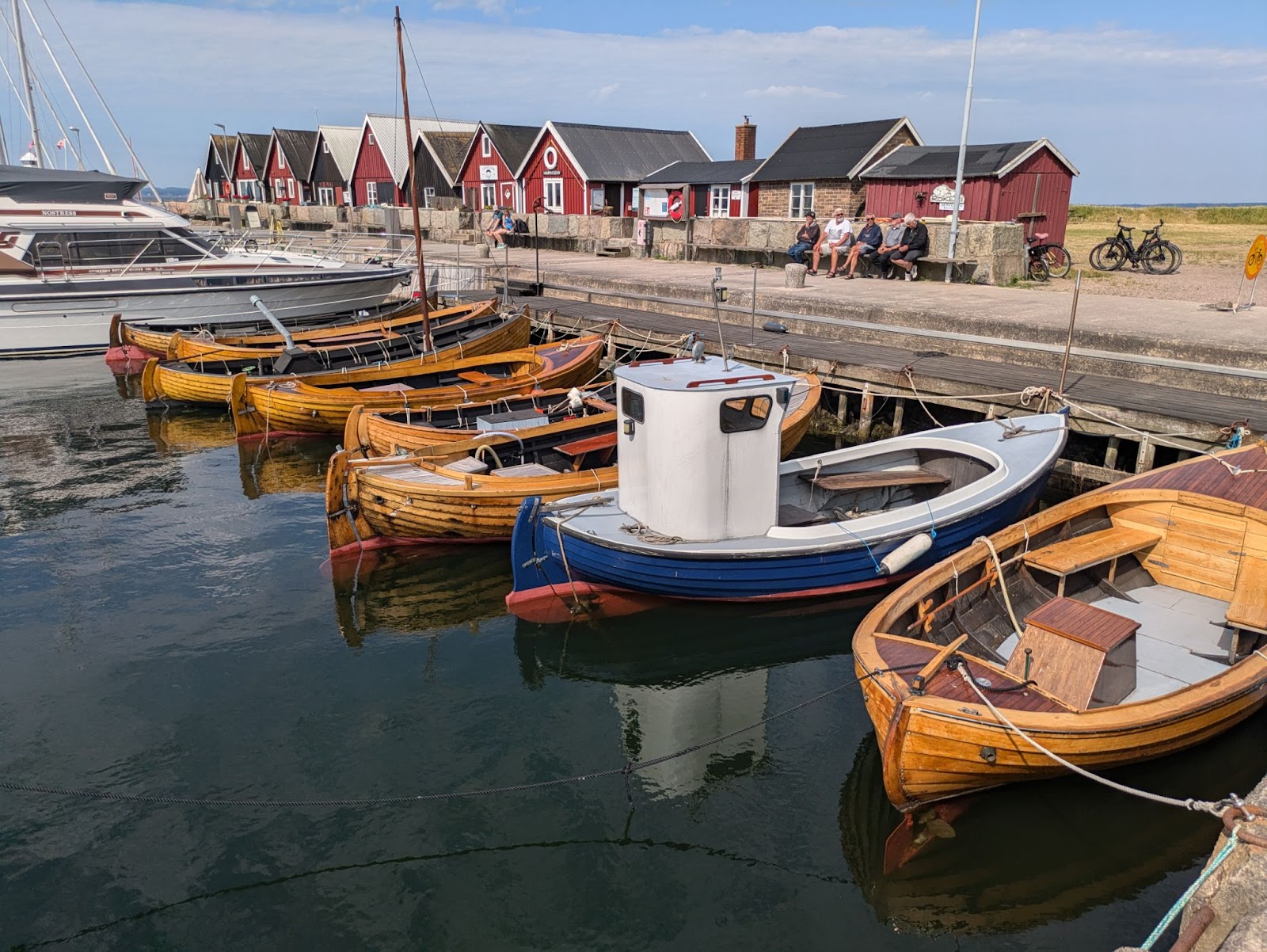
Harbor on the island of Ven, Denmark


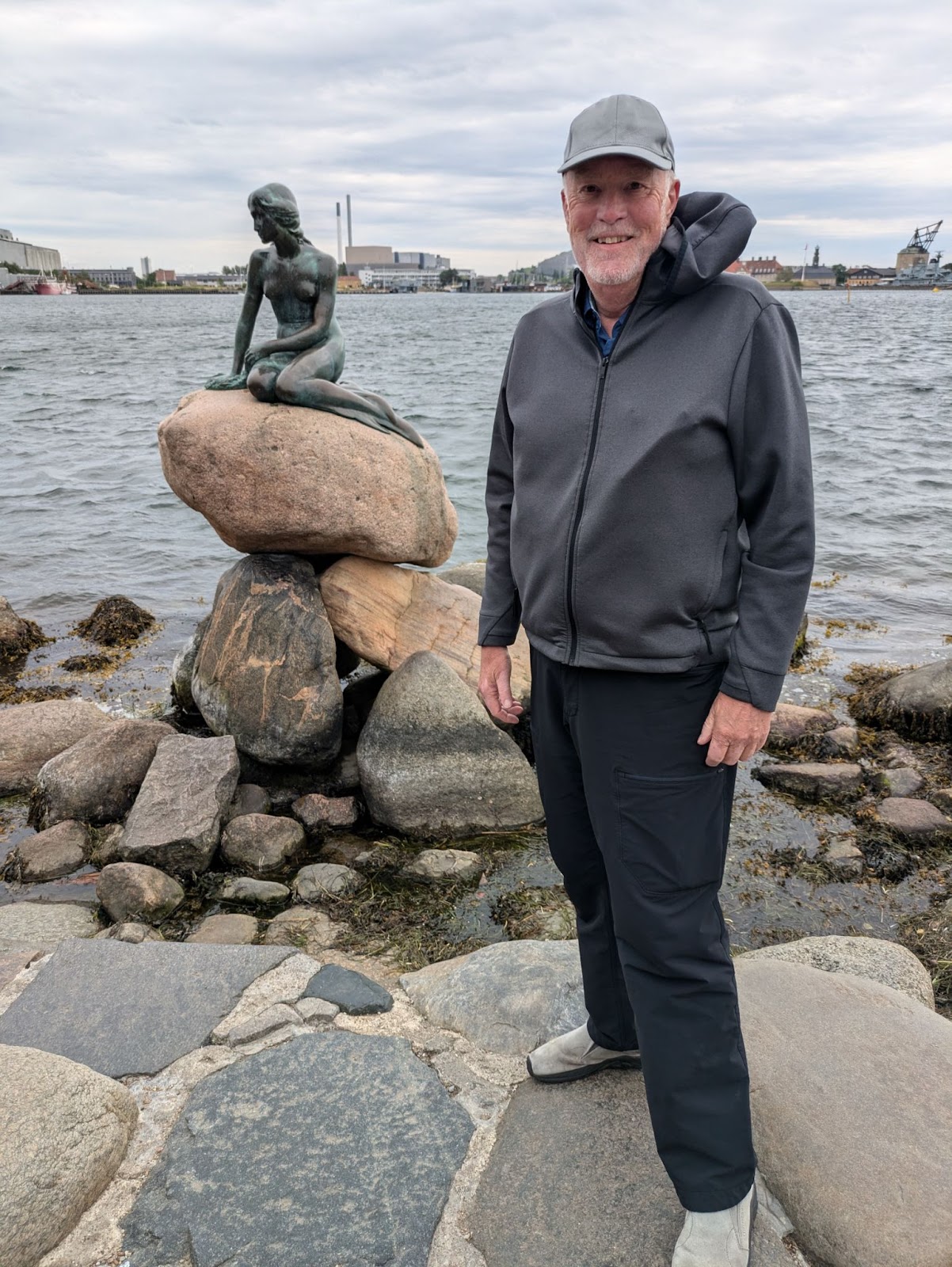
Taken on my most recent trip abroad, I uploaded 236 digital photos to storage. That averages out to about 20 pictures a day. And that is after weeding duplicates, poor shots, and “what the hell is that?” subjects. 

With the invention of digital photography, especially in cell phones, I find it difficult to determine whether I should take a photo of something or not. Who needs yet one more picture of the pyramids or the Statue of Liberty or a mountain valley? (My son takes a photo of every meal he eats, I think.) At what point do we have such a flood of personal photos available, they somehow dilute rather than enhance our memories? 

Back in the bad old days of my youth, one thought carefully about taking a picture with one’s Polaroid, Kodak, or Pentax since every shot cost money. You paid for the film, of course, but also the flash bulb (or cube), the processing, the printing and the album in which those shiny pieces of paper were organized and stored. Judging from my recent project of scanning old photo albums from the 70s, 80s, and 90s, I did not throw many photos away due to bad composition, lack of focus, or “what the hell is that?” subjects.

For whom do we take photos and why? I certainly love to bore people with my pictures and the presentations I make which incorporate them. Family photos comprise the calendar I create for my siblings, mother, and children. I throw a few pics in my blog posts from time to time. 

But perhaps more than anything, I take them for myself. To kindle warm fires of memory - of small children being held, of challenging adventures being accomplished, of a life being lived, both sweet and bittersweet. Somehow photographs prove one has actually been there, done that, got the shirt.

One photographer I admire is my friend Tim who lives in the Washington DC area. He fairly regularly posts his photos on his  blog, Assorted Stuff. He views photography as an art form and answered my query about why we take photos in this thoughtful email:

Your question about why we take so many photos is a good one, and lots of people I talk to can’t really answer it for themselves. "What do you do with all those images?" has been a major topic in the smartphone camera classes I’ve taught over the past five years. Most of my students (largely retirees) leave with some ideas to consider but no real solutions.

 For me, it’s a hobby, of course. But I still regularly reflect on why I enjoy it and where I want to take my photography next. I agree that the world probably doesn’t need another shot of an iconic site like the Statue. Which is why I try to find a perspective that is slightly different from what others might see.

I suspect that unless we are a recognized photographer like Ansel Adams or Annie Leibovitz our images will fade over generations. With some small curiosity I look at photos of my parents in their youth, my grandparents, and various relatives posed in dress clothes staring at the camera with serious looks on their faces, captured forever in black and white. Despite being insusceptible to deterioration like their print cousins, my digitals may well last long into the future. As long as there is power to the remote server on which they are held.

But perhaps we should paraphrase another question: If a photo exists, but there is no one to view it, does it matter?

Oh, a photo from my most recent restaurant meal…
 

Tuesday
Jun182024

So how was your Denmark bike trip?

“So how was your trip?” are the first words out of most people’s mouths when one returns from a vacation. The answer, I suppose, is one that I should be formulating as I actually travel, not when I get back and am forced to compress a couple weeks worth of activity, joys, and errors into a sentence of two. So I do like to blog a bit about my adventures, mostly help me remember where I’ve gone, what I’ve done. If the post amuses others, so much the better.

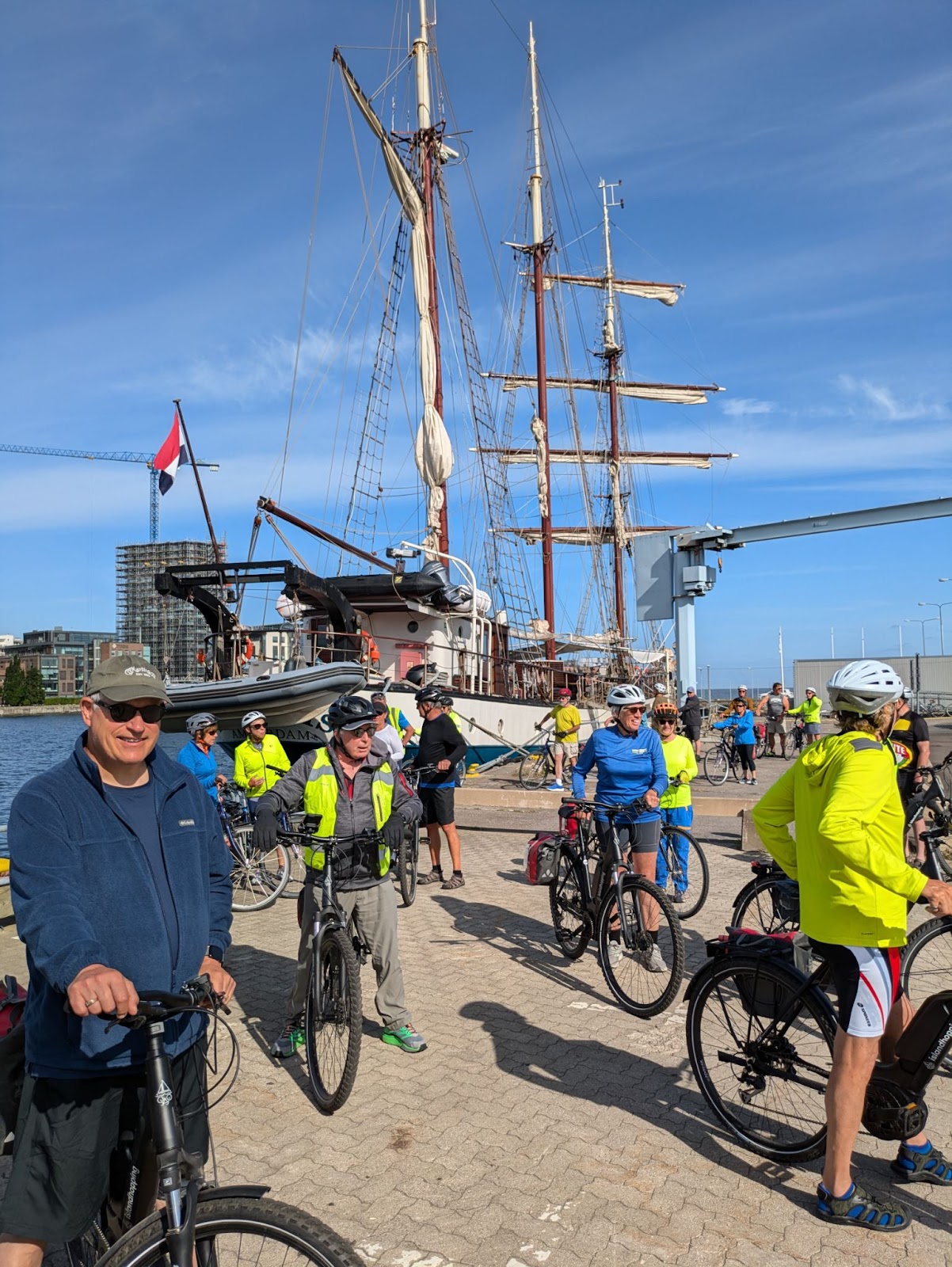
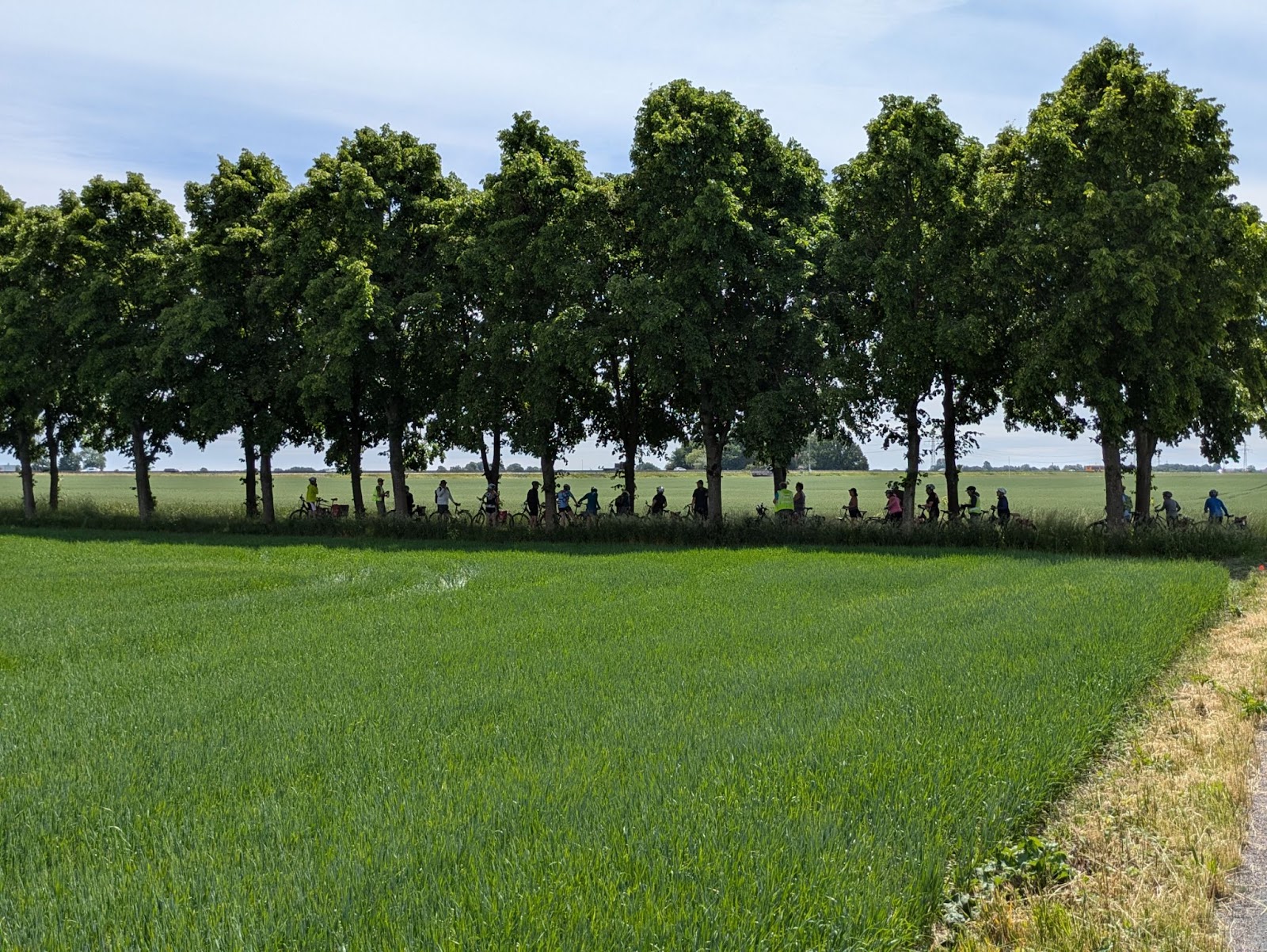
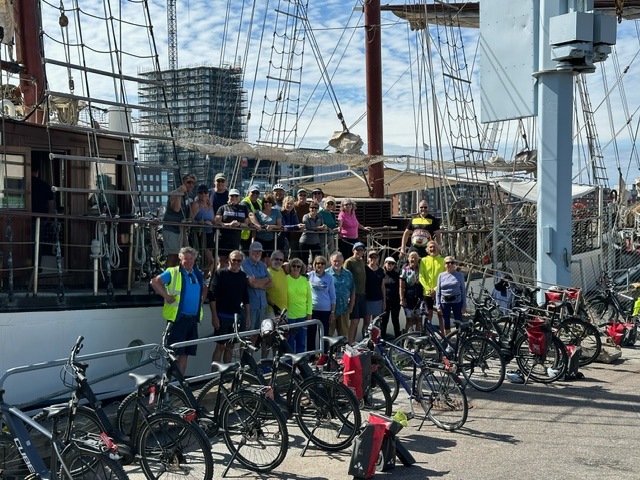
I spent the last week of May and the first week in June in Denmark and Sweden. My usual travel companion was “traveled out" having been on a weeks-long cruise earlier in May. So I was left unsupervised. The bulk of my time was spent on a BoatBike tour - sailing on the Atlantis to ports up and down the Oresund Strait between the two countries. Bike rides were modest distances each day, the weather cooperated, the fellow cruisers (nearly all from the US) were enjoyable, and the countryside was beautiful. We visited castles, cathedrals, and museums, stopping for coffee at least once each guided ride. This was a new tour for the BoatBike company, so the guides did not seem to have as much background knowledge of the areas we visited to share as on other trips I’ve taken with them. One planned stop had to be canceled due to rough weather prohibiting the use of an inflatable dinghy taking us to shore. 

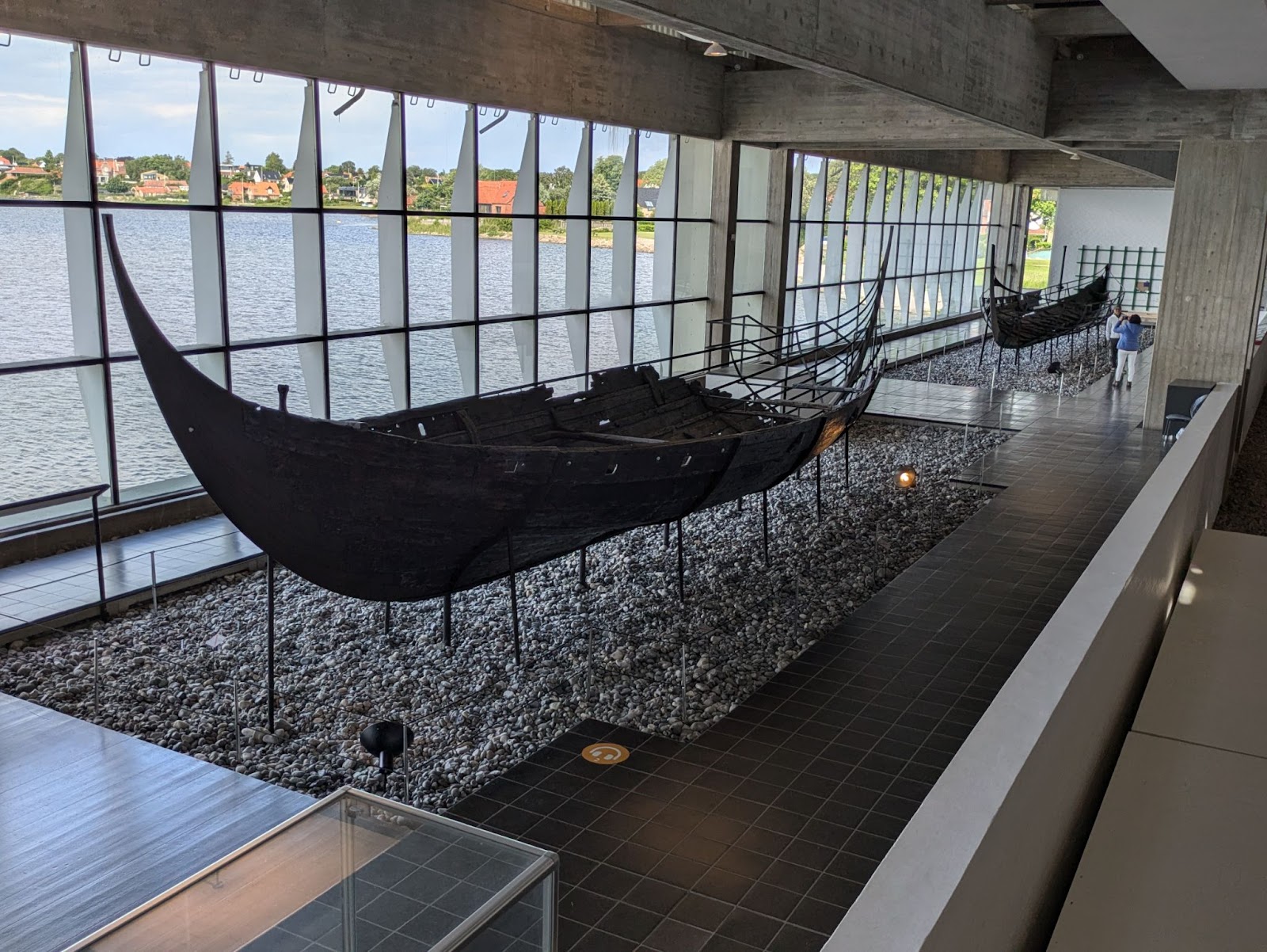
I added a few days at the end of the eight day cruise to spend in Copenhagen where I took a city bike tour, a hop-on, hop off bus tour, an hour-long canal boat tour, and a day-long small group tour to Rosekilde to visit the Viking Museum among other sites. 

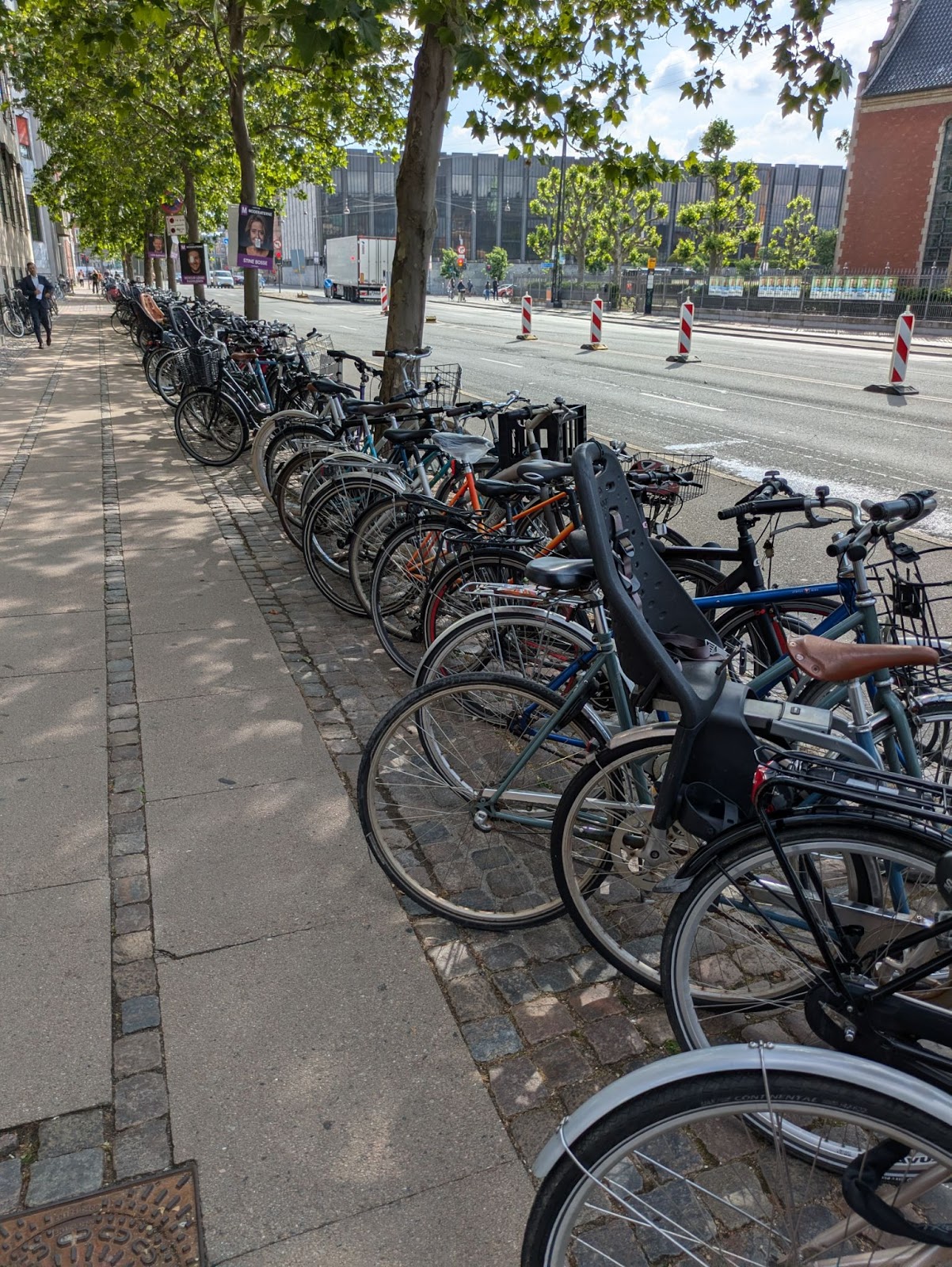
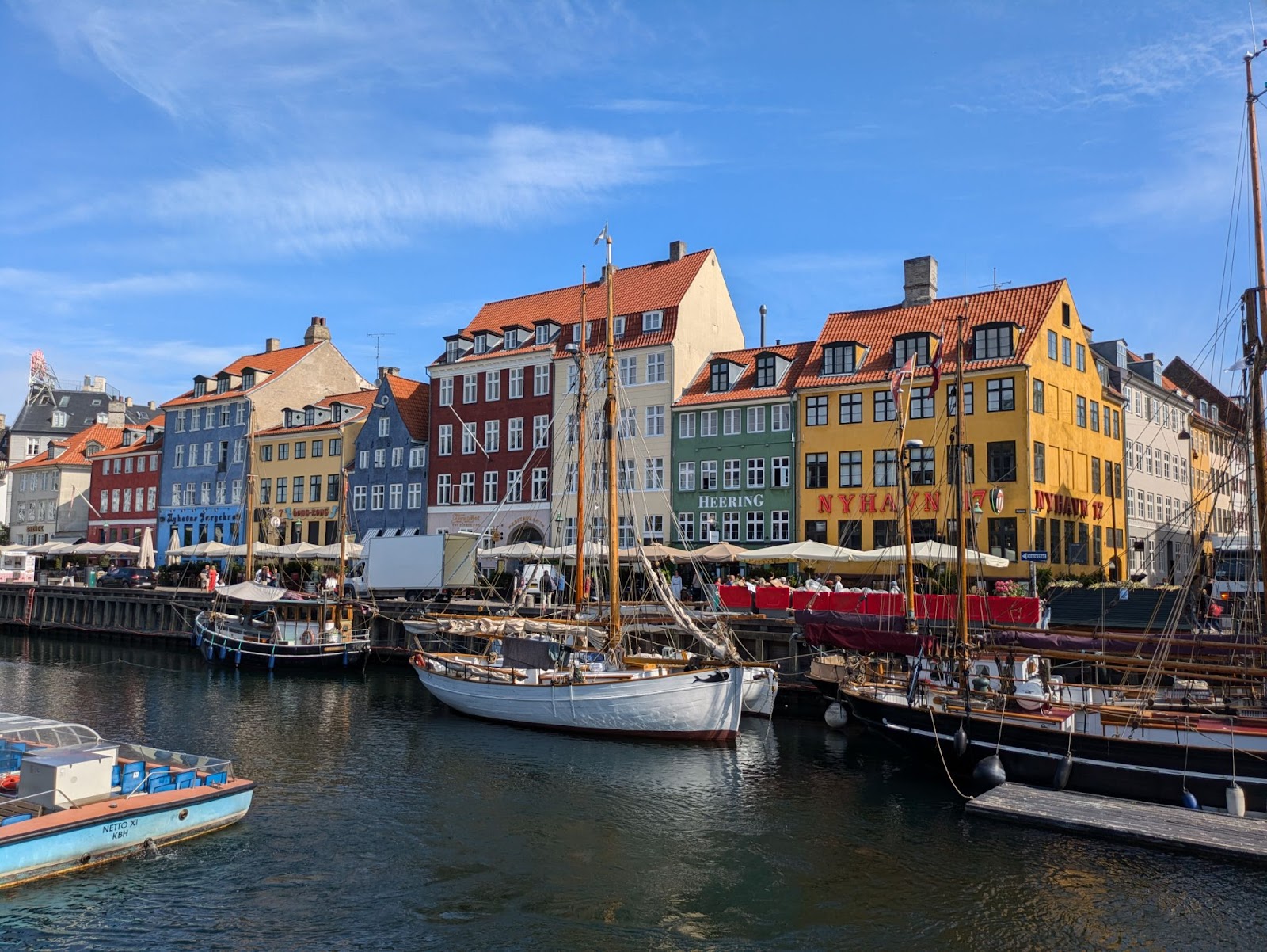
While I found the city a bit confusing at first to navigate (no phone internet - see below*), I did come to appreciate its beauty - a complex blend of historic buildings and modern architecture. The place rivals Amsterdam as a cyclists’ paradise with bike lanes and bike paths on nearly every street. And thousands of aggressive riders on them. 

Denmark and Sweden have some amazing museums, palaces, castles, and art displays. Among the ones I enjoyed were:

  • Lund Cathedral with its astrological (not astronomical) clock
  • Namndemansgarden Farm Museum and Tycho Brache museum on the small island of Ven
  • Kronberg Castle - inspiration for Shakespears’s Hamlet
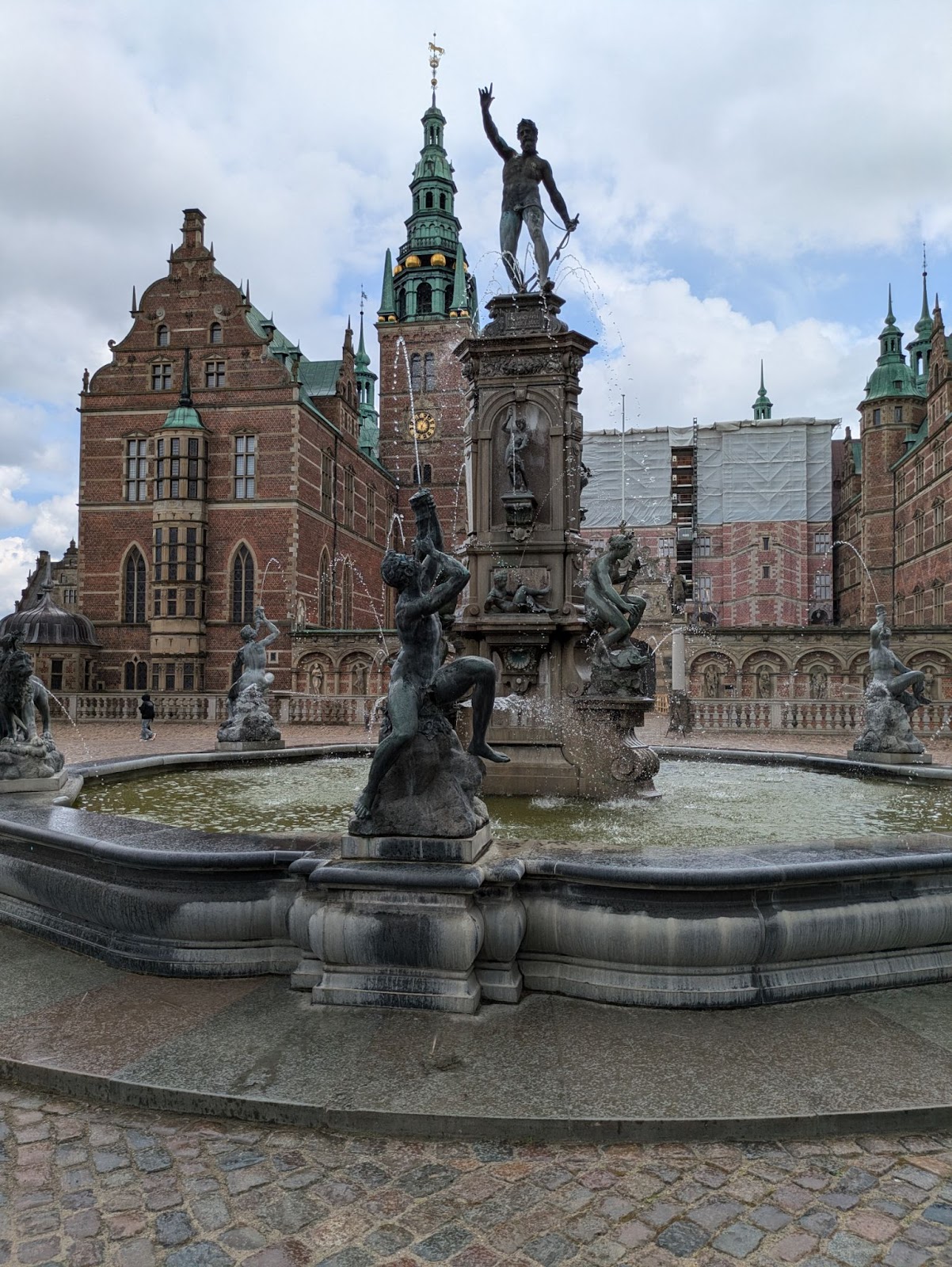
  • Frederksborg Castle built by one of mad kings of Denmark
  • The Round Tower with its Library Hall and spiral path to the observatory on top
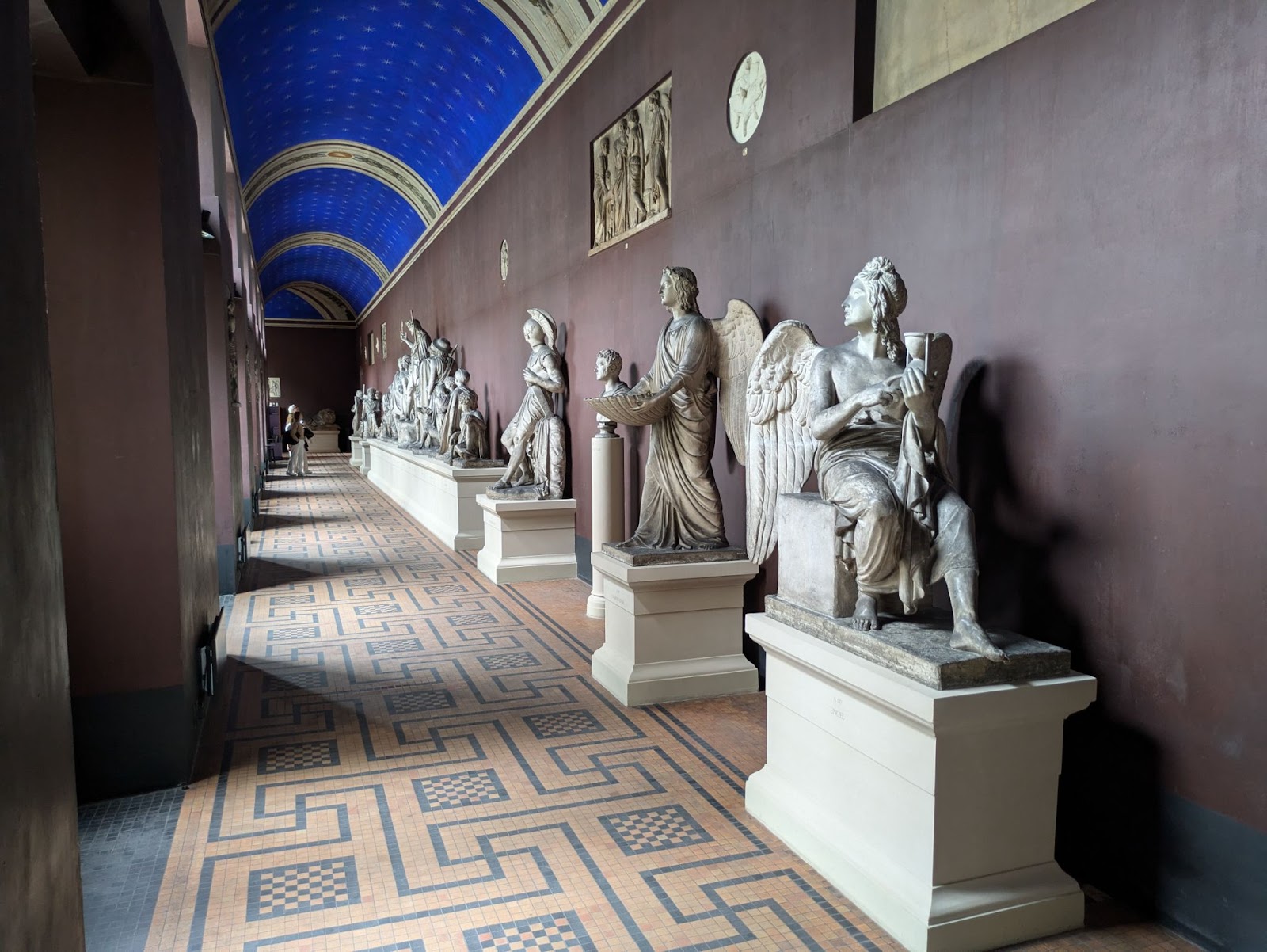
  • Thorvaldsens Museum of sculptures, many based on Greek and Roman mythology
  • Rosekilde Cathedral where 40 kings and queens are buried/entombed
  • National Museum in Copenhagen - great historical introduction to Denmark
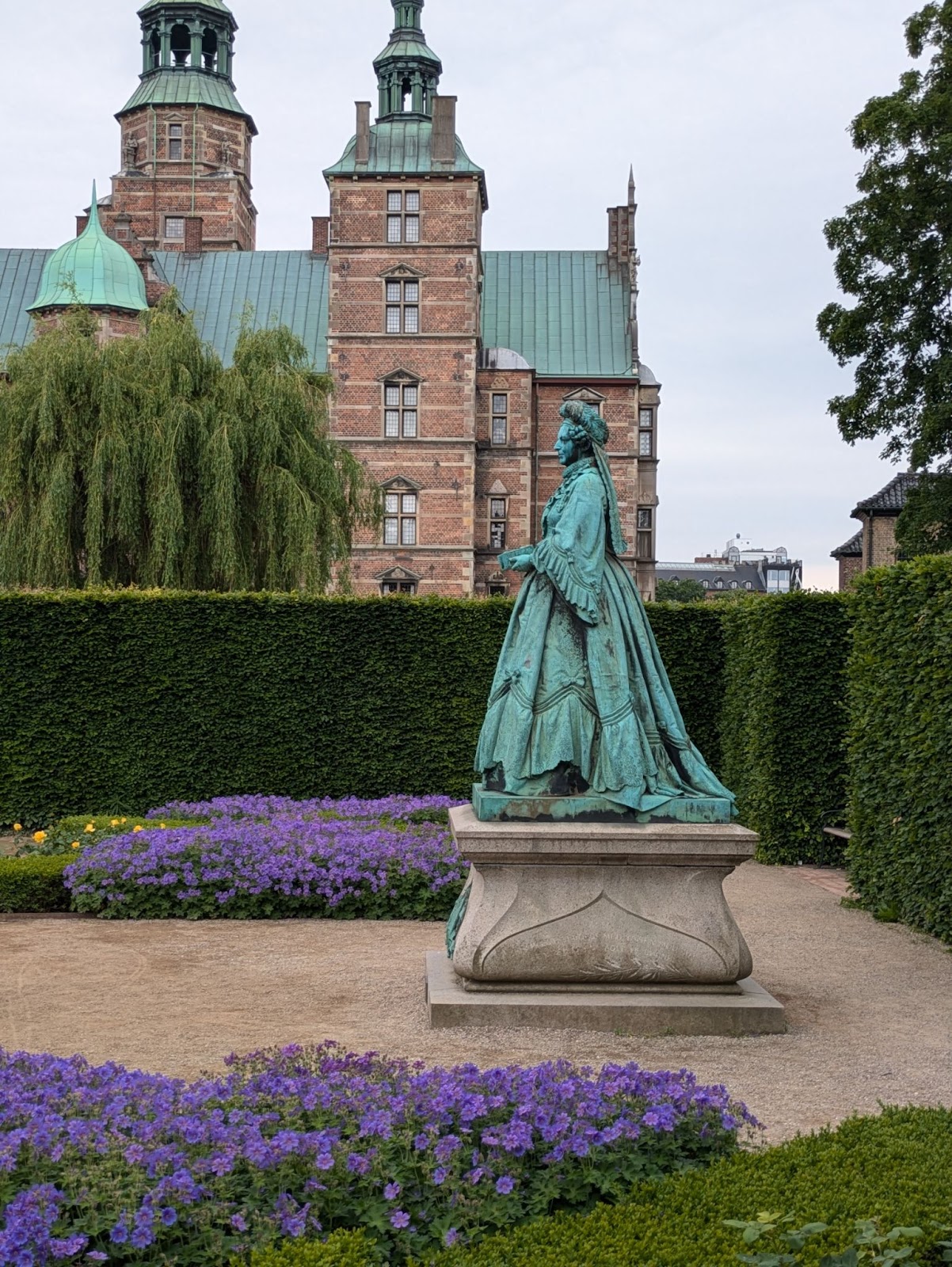
  • Rosenborg Castle with its display of the Crown Jewels and beautiful gardens
  • Viking Museum with its salvaged ships

Whew. I’m getting exhausted just listing all these places. And I may have left a couple out.

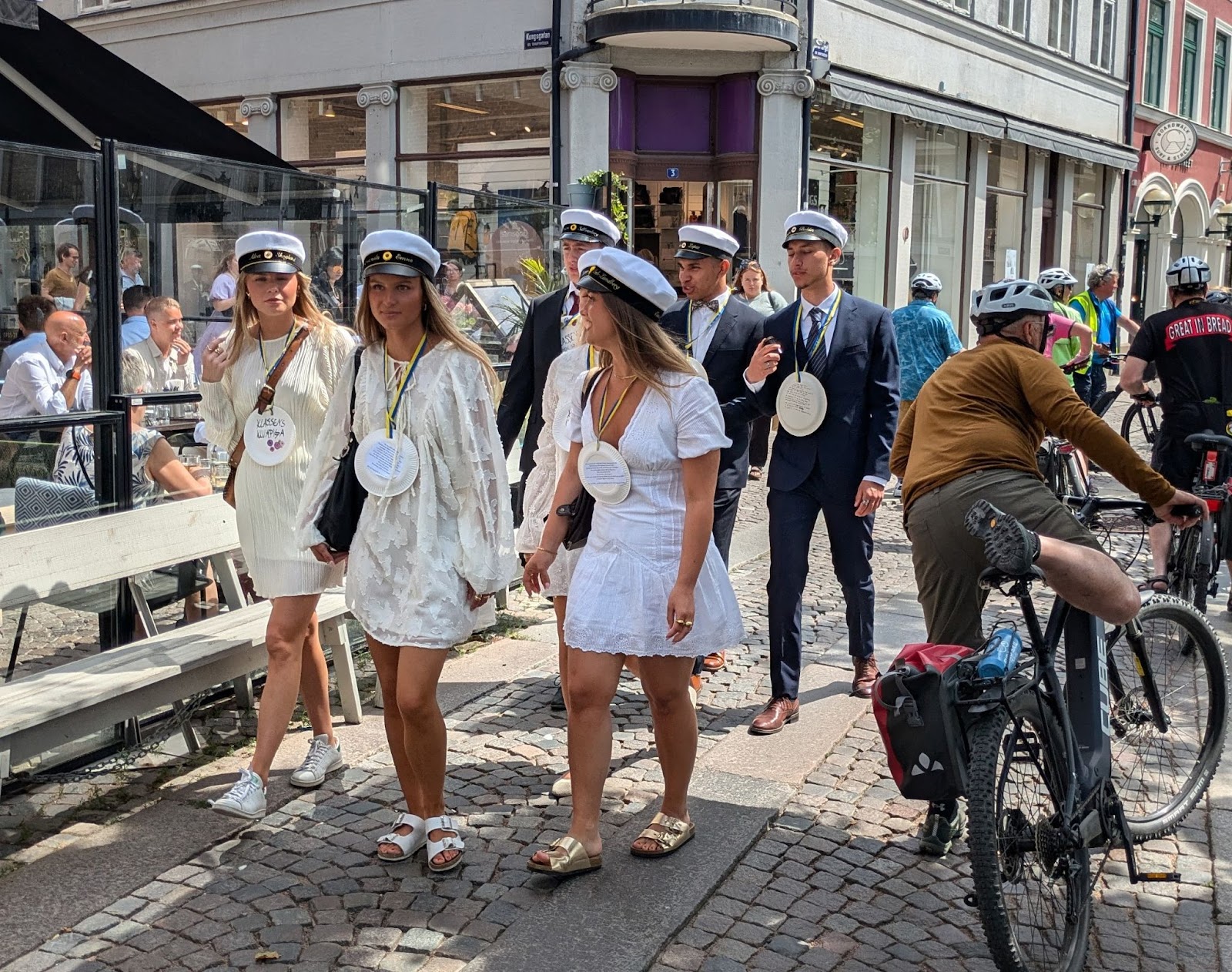
It was high school graduation day when we were in the city of Lund, Sweden. Hundreds of beautiful young men in dark suits and young women in white dresses were walking throughout the city. 

A history lesson was given at nearly every site. Each guide expressed pride in their country, in their current monarchy (especially the new Australian born queen), and the economic vitality of this small country. Copenhagen was safe, clean, and friendly (and expensive). I am glad I went.

A link to all my photos can be found here.

*A week or so prior to this trip, I upgraded my phone at my local TMobile store in order to have a device that would use an eSIM so I would no longer have to swap out the physical SIM when I travel overseas. What I did not remember to do (duh) was to make sure the phone was unlocked prior to leaving. A phone locked by its US service provider will not accept a SIM from any other source. One of those situation when it make me question whether I should be allowed to travel without supervision… And yes, I got my phone unlocked when I got home.


Monday
May132024

A few random thoughts

Bonding with the cat I am sitting


For some reason, I’ve not had much luck the last couple weeks putting together any blog posts. Perhaps it is just spring fever. But here are a few random observations I’ve jotted down. Go right ahead and skip this and read something more important. Like your horoscope or the most recent political news.

You’re never too old to learn new words

While I rarely agree with George Will, I still read him faithfully. Not for his political views, necessarily (although I think it is important to read multiple perspectives on current events), but in nearly every column one can find an unfamiliar word or two. In his last column it was: psephologist.  In the same essay, he used the word dyspepsia which I had seen before but could not remember the meaning of. Oh, Maureen Dowd recently used the term batrachian to describe Trump’s sexual behavior. Isn’t it convenient to now just be able to right-click on these words to find their meanings instead of hauling out the old Merriam-Webster?

A campaign to eliminate junk mail

A week or so ago I decided I was fed up with seeing a couple dozen messages in my spam folder each time I opened my email. So I have been assiduously unsubscribing, especially from the emails sent by real businesses and organizations*. I am delighted by how many junk emails now include a link to means of being removed from the mailing list. I have read that one needs to be cautious since trying to unsubscribe can alert the sender they have a live fish on their hook. So I’ve been ignoring the obvious spam and phishing notes. The quantity has decreased. But the junk has not disappeared. It's fun to have time in retirement to do such things. Now if I could find a way to stop getting junk physical mail.

*Ironically, I may not have unsubscribe had the business sent me one or two emails a week instead of several emails a day.

How we treat our parents

My son and I spent a long day driving to see my 91-year-old, increasingly dementia-plagued, mother yesterday. While she was delighted to see us and picnic with my brother and sister and other family members, she asked less than an hour after the meal was over what I thought my siblings were doing that day. Were I a betting man, I would not stake anything on whether she remembers my son’s or my visit now. 

I am glad my son went with me, sharing the seven hours of driving. While I am not too worried about needing care from my own children in my dotage, I hope I am setting an example for him when his mom, my ex-wife, needs attention. (To a  degree, he is already doing that now.) Treat others as we would like to be treated. 

Perhaps our children form their opinions of us not just from how we treat them, but from how they see us treat others as well. If either of my two wind up in jail, I will have only myself to blame. 

We take better care of others’ things than we do our own

For the past two weeks, I have been house-sitting for a friend who is on an long cruise with her sister. The primary reason I am staying here is to provide care and companionship for her much beloved cat. (I also fill bird feeders and water plants.) While I am happy to do this, it causes no small amount of anxiety. Should something happen to the cat (escape, illness, injury…), I would feel overwhelmingly guilty - worse, I am sure, than if a pet of my own suffered.

I can put a dent in my car and shrug it off. I can break a dish in my own kitchen and replace it. I can stain or rip a sweatshirt and simply say “So what?” But should the auto, the plate, or the clothing belong to another, it would hurt me, knowing I might have been more careful. Goddam conscience! 

An old favorite

There once was a pretty good student,

Who sat in a pretty good class

And was taught by a pretty good teacher,

Who always let pretty good pass.

He wasn't terrific at reading,

He wasn't a whiz-bang at math.

But for him, education was leading

Straight down a pretty good path.

He didn't find school too exciting,

But he wanted to do pretty well,

And he did have some trouble with writing

And nobody had taught him to spell.

When doing arithmetic problems, 

Pretty good was regarded as fine.

Five plus 5 needn't always add up to be 10,

A pretty good answer was 9.

The pretty good class that he sat in

Was part of a pretty good school.

And the student was not an exception,

On the contrary, he was the rule.

The pretty good school that he went to

Was there in a pretty good town.

And nobody seemed to notice

He could not tell a verb from a noun.

The pretty good student in fact was

Part of a pretty good mob.

And the first time he knew what he lack was

When he looked for a pretty good job.

It was then, when he sought a position,

He discovered that could be tough.

And soon he had a sneaky suspicion

Pretty good might not be good enough.

The pretty good town in our story

Was part of a pretty good state,

Which had pretty good aspirations,

And prayed for a pretty good fate.

There once was a pretty good nation,

Pretty proud of the greatness it had,

Which learned much too late,

If you want to be great,

Pretty good is, in fact, pretty bad.


Charles Osgood "The Osgood File" c 1986, CBS Inc.